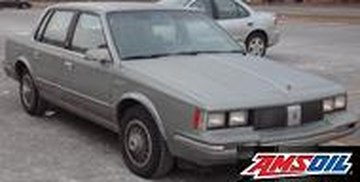
Maintaining Lubrication Standards for the 1982 Oldsmobile CUTLASS 4.4L
Proper engine maintenance is a cornerstone of long-term vehicle health, particularly for an engine like the 4.4L found in this 1982 Oldsmobile CUTLASS. While many aspects of automotive care are universal, managing the lubrication needs of a decades-old engine requires a focused approach to inspection and fluid selection.Monitoring Fluid Integrity and Condition
Regularly checking the condition of your engine oil is one of the most effective ways to monitor the internal state of the 4.4L engine. Rather than relying solely on mileage, observing the physical characteristics of the lubricant can provide useful clues about how the engine is operating. When performing a routine check, pay close attention to the color and texture of the oil. While oil naturally darkens over time due to use, an extremely rapid change in color or a gritty texture may warrant further investigation. Additionally, if you notice any unusual odors emanating from the crankcase area, it is wise to inspect the vehicle for potential issues. It is also important to look for signs of fluid loss. If you find yourself needing to add oil more frequently than expected, this can be associated with various factors ranging from minor seepage to different operating conditions. Rather than assuming a specific cause, use these observations as a prompt to perform a more thorough visual inspection of the engine bay.Systematic Visual Inspections
A proactive maintenance strategy involves looking for evidence of leaks or wear before they become significant issues. For an older vehicle, this means being observant during every service interval. When inspecting the engine area, look for any signs of seepage around various sealing surfaces and gaskets. Even a small amount of oily residue on the exterior of the engine block can indicate that a seal is beginning to age. Similarly, check the condition of any visible hoses or electrical connections in the vicinity of the engine. If equipped, inspect accessible drive belts for signs of deterioration such as cracking, fraying, or glazing. If you observe any evidence of recent fluid leaks on your driveway or garage floor, investigate the source immediately. Identifying a slow seep early can often prevent more substantial maintenance requirements later. Always remember that symptoms like a small puddle may have multiple causes, and a professional diagnosis is often necessary to pinpoint the exact origin.Prioritizing Maintenance Based on Current Condition
As vehicles age, the most effective way to manage upkeep is to prioritize tasks based on the actual, current state of the machine rather than following a generic age-based schedule. This approach allows you to address the most pressing needs first while avoiding unnecessary expenditures on components that remain in good condition. If you are taking over ownership of this 1982 Oldsmobile CUTLASS and do not have access to a complete service history, your first priority should be establishing a maintenance baseline. This involves:- Reviewing any available service records to understand what has been performed recently.
- Conducting a thorough inspection of all fluid levels and their respective conditions.
- Identifying and addressing any active leaks or visible warning signs immediately.
- Documenting the current condition of all major components to track changes over time.
Managing Long-Term Engine Health
Maintaining an older engine requires a shift in perspective toward consistent monitoring. Instead of waiting for a component to fail, successful long-term ownership involves watching for subtle changes in how the vehicle operates. One effective strategy is to keep detailed records of every oil change, filter replacement, and mechanical repair. This documentation becomes an invaluable tool for identifying patterns. For example, if you notice that the engine requires more frequent lubrication than it did a year ago, your records will help you determine exactly when that trend began. Furthermore, as the vehicle continues to age, pay close attention to how it responds to different operating environments. Changes in how the engine sounds or how fluids behave can be early indicators that maintenance priorities need to shift. Consistent, documented observation is often more valuable than following a rigid, one-size-fits-all schedule.Selecting Lubricants for the 4.4L Engine
When it comes time to replenish your engine oil, the most important step is ensuring the product matches the specific requirements of your application. Because different engines have unique internal tolerances and operating needs, using the correct lubricant is essential. Match the engine oil to the application-specific viscosity information shown above on this page. It is vital to verify that any product you purchase meets the appropriate API certification listed in your vehicle's documentation. When choosing between different formulations, consider the following:- Conventional Oil: A standard option for many applications, though its performance characteristics differ from more advanced blends.
- Synthetic and Synthetic Blends: These formulations are designed to offer different levels of thermal stability and resistance to oxidation.
- High-Mileage Formulations: Some high-mileage oil formulations contain additives intended for use in aging engines, including seal-conditioning additives that may assist in maintaining the integrity of older components.